Fort Collins, CO
Compassionate and Collaborative
Medical Care
Providing veterinary care for dogs and cats in the Fort Collins area for over 30 years.
Our Hospital
About Countryside Animal Hospital


Create an account with Hill’s to Home and Have Your Pet’s Food Delivered to Your Home. Free Delivery and Discounts Apply When You Sign Up for Automatic Shipment

Click the Hills to Home logo or scan the QR code above to be taken to the Hill’s to Home website.
veterinary Services
Providing The Best Veterinary Care Possible
When it comes to caring for your beloved pets, you want to partner with a team of veterinarians who are committed to ensuring your pet’s overall health, happiness, and well-being.
Pet Wellness Care
At Countryside Animal Hospital, we do all we can to improve and maintain your pet’s health, happiness, and well-being.

Pet Dentistry
Dental health is one aspect of your pet’s health that you may not have spent much time thinking about, but should take seriously.
Pet Medications
We have a full pharmacy of medications to meet your pet’s medication needs.
Pet Diagnostic Testing
Our Team
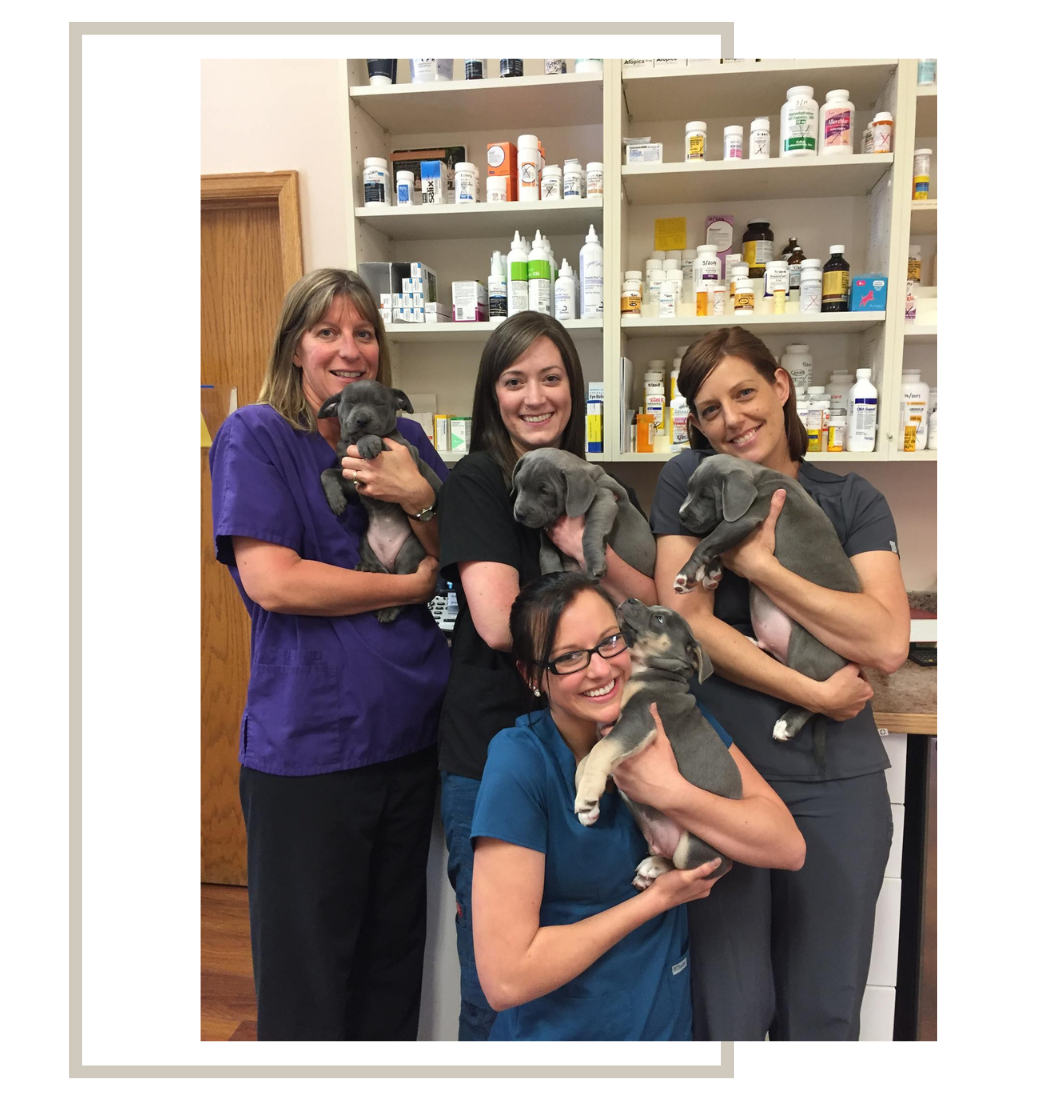
Meet Our Veterinary Team
The veterinary team at Countryside Animal Hospital is dedicated to your pet’s health and well-being. We deliver high-quality care that meets their ever-changing needs to keep them in good health for years to come. The veterinarians at Countryside Animal Hospital are skilled at what they do; you can be confident in their education and years of experience to bring you the best healthcare services available.
Countryside Animal Hospital Open For Over 30 Years
Best
Veterinary Care
Professional Veterinarians And Staff
Veterinary Careers
Join Our Veterinary Team
At Countryside Animal Hospital, we are looking for qualified, compassionate individuals to add to our staff. View our available positions if a career in veterinary medicine interests you.

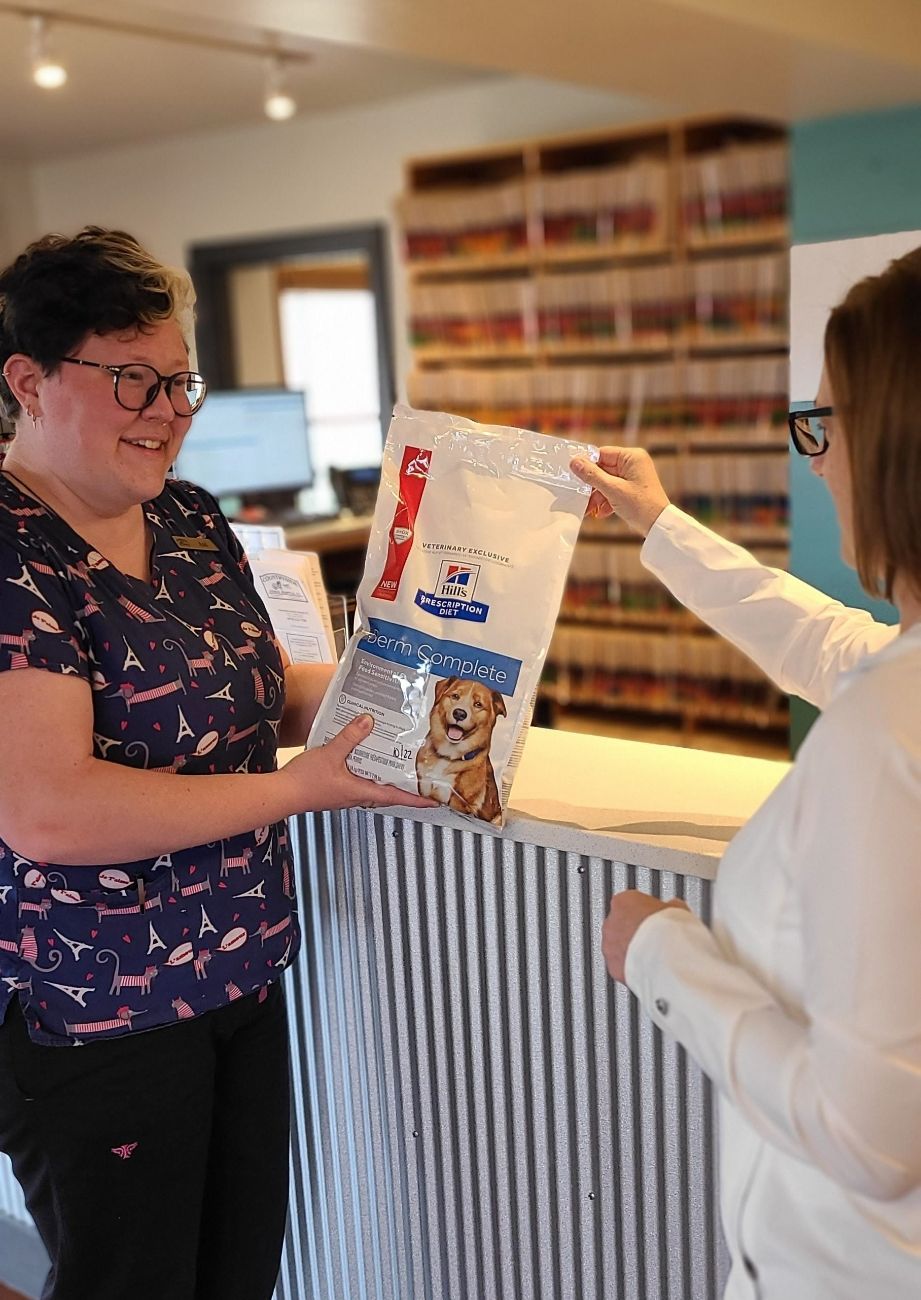
Receptionists
Doctors
Veterinary Technicians
Our Reviews
Thank You For Your Kind Words
“I leave there feeling like they love our pets nearly as much as we do. We are going to have some dental work performed on one cat in the near future.”
Mark B.
Photo gallery
Your Loved Ones are Our Priority